The #1 Mistake People Make When Hiring a Practitioner
Jessica Paschke, Transformation Coach

You see someone online. They’re speaking your language and you really resonate with how they’re approaching things. You notice they’re offering 1:1 sessions, so you take the leap and book.
The day of your session finally rolls around and you hop on the call. And it’s not at all what you thought it would be.
Maybe you thought they’d go deeper or you’d walk away with solid actions to take. Maybe you thought you’d get more questions answered or learn how to finally do that thing in business you’ve been wanting to do.
It’s not bad, but it didn’t really solve anything either. You leave bummed out and more cautious than ever. You really thought you had met the right person, but now you’re second guessing everything.
Finding the right practitioner is a lot like dating. They look great on paper, but when you come together the chemistry isn’t there or it’s just not what you expected. You walk away feeling deflated and still don’t have the clarity you were hoping for.
So why does this happen?
You didn’t find out the most important thing you needed to know before you booked. There are so many different types of intuitive professionals out there calling themselves a variety of different titles.
Reader, teacher, mentor, coach, guide are just some of the more popular categories out there. And at first glance, it may look like they do similar things.
But what type of practitioner you end up hiring will 100% affect whether or not you feel fulfilled with your time together.
Because what you think they do – and what they actually do – may be miles apart from each other.
Let’s look at each category, so the next time you book a session with someone, you’ll have a better idea of who you need to be booking with. (And remember, a lot of practitioners will blend these categories, so it’s best to ask them directly how they work.)
First up, reader.
A reader is someone who is a one and done session (usually, but not always). You bring a specific inquiry or series of questions and they will read the energy, pull the cards, connect to the loved one or guide to pull through the information for questions asked.
They don’t tell you how to apply the information or what to do with it. They just bring it through and present it to you in their signature way. Which means that one tarot reading you had 10 years ago won’t look anything like the one you’re about to get. Or that medium you hired to connect with your uncle? They don’t connect with spirit guides.
Readers are best for inquiries surrounding the energy of something, mediumship for loved ones, or predictive readings, if the practitioner does those. ASK (if I could triple underline this I would) what they do and don’t do in their readings before you book. A good reader will be happy to clarify and give you the details.
Teachers are entirely different.
A teacher will demonstrate, inform, or show you how to do something. Their primary goal is to educate you about their specific topic of expertise.
Depending on the teacher, you may also be building skills to work on when class is done, but some teachers will lecture and just give you the 101 on a subject.
Teachers work best when you’re wanting to learn something new, learn more about a specific subject, or start to build skills on your own. The key here is to ask how they deliver the material and make sure it matches with your learning style. If it doesn’t, keep looking.
Mentors teach you how to do what they do.
It’s more than just bringing information to a class. A mentor will usually offer programs that cover all the bases: what the subject is, how to do it, and, in some cases, how to do it professionally.
You are learning exactly what it is that they do from start to finish. Mentoring varies in length and depth, depending on the practitioner.
Mentoring is perfect for people wanting to learn a skill in-depth or wanting to go pro with the skills they already have. It’s a deep dive into something very specific, usually with the business support to help get you started – or grow – in your shared specific field of interest.
And the last category is coach.
I think the term coach is the one that’s used and abused most. For me, a coach is different from all of the above practitioners.
A coach’s job is to help you dive deep by holding space and asking really amazing questions. They aren’t going to give you answers. Instead, using tools, frameworks, and specific questions, a coach will help guide you to figuring out the answer within yourself.
They help you get unstuck, figure out a plan of action about how to move forward, help you to create your desired intention, and get you the resources you need to do it.
Coaching is amazing when done with a trained professional.
If you’re wanting deep transformation with personal or professional situations coaches are your go to. If they’re good at what they do, they’re great for people looking to expand, navigate transition, and make big changes in their lives.
Now here’s where it gets complicated: Many intuitive practitioners blend categories or do more than one thing. For instance, I am all of the things above.
I teach workshops and in-depth classes, like Through the Looking Glass, and help people learn about spiritual practices like intuition, tarot, spirit guides, and navigating uncertainty.
I’m extensively trained as a tarot reader, intuitive, and a medium. And, after more than a decade of professional practice, I mentor people in bringing their unique blend of genius to the professional level.
And I’m an intuitive coach, certified through the Institute of Equity-Centered Coaching, helping women navigate their WTF Era with confidence, connection, and more joy.
When you work with me, I bring all of those roles and all that expertise to the table. But, depending on where we’ve connected, you may have experienced what I do in wildly different ways.
That’s why getting clear on what you’re hoping to achieve during your session is the key to getting what you need. It’s the most important thing when it comes to having a good experience.
A great practitioner will have no problem answering your questions about how they work and what they can support you with. If they’re vague or talk around your questions, it’s a red flag. 🚩Walk away and find someone else.
So, let’s apply this to real life. Grab a pen and paper. Look at each category.
- Make a list of your must haves for your next investment.
- Reflect on the last time you had a session or took a class. Was it the right fit for what you needed? Why or why not?
- Right now, in this moment, what type of practitioner would work best for what you need or what’s on your list? Why?
I would love to hear what came up for you. What would you take into consideration before you booked someone in the future? Reply here and let me know.
You may also enjoy...

Why I Stopped Trying to Do the Summer Solstice Right
For years, Summer Solstice felt like another thing I was doing wrong. Turns out I was just trying to do someone else's practice. The one that actually stuck? Simple, doable, and completely mine.
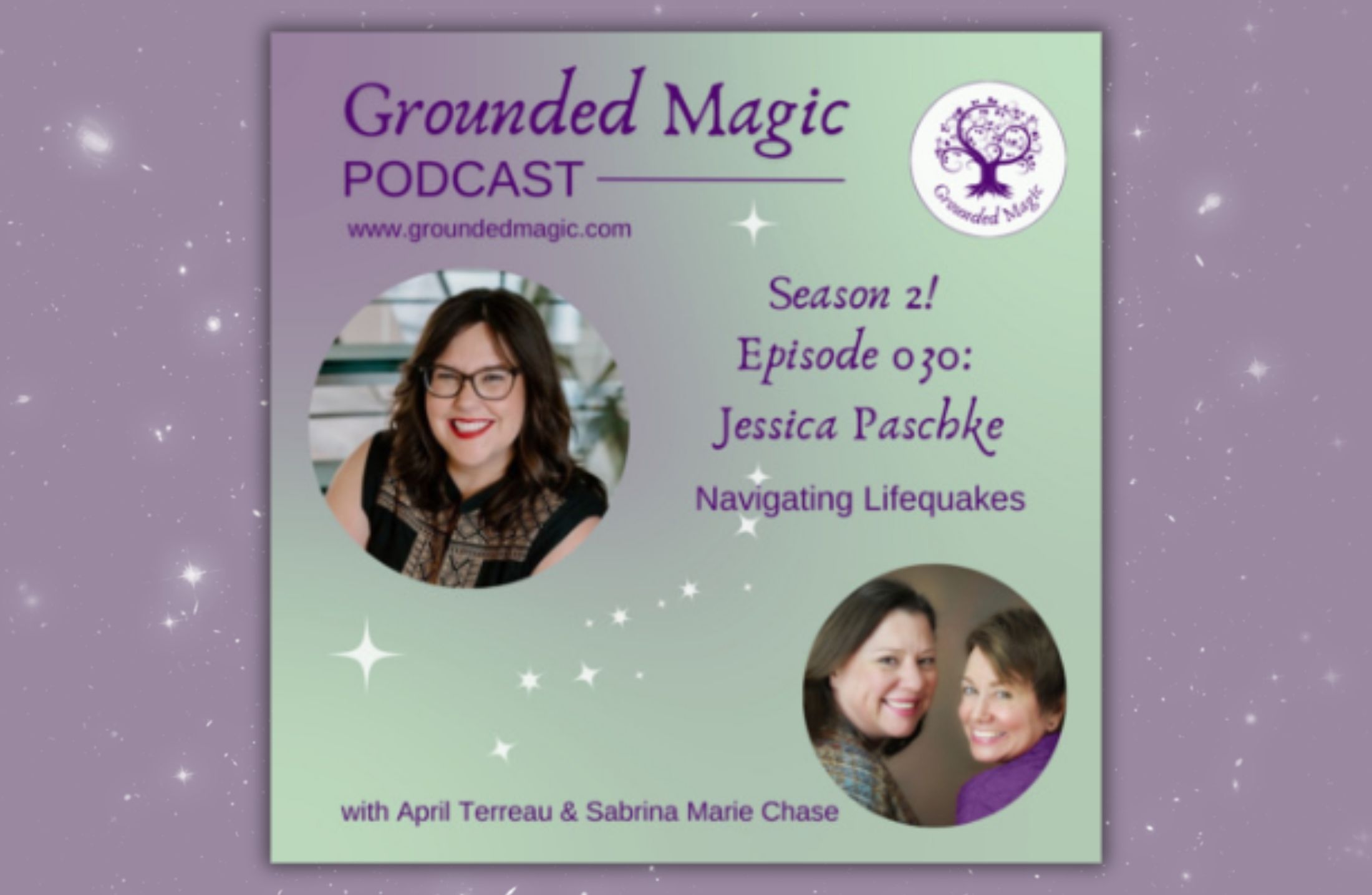
I Almost Cancelled the Podcast Interview (I'm Glad I Didn't)
In the middle of our biggest lifequake yet — two days into an RV trip with four cats, a dog, and a teenager — I found myself sweating in an alcove, about to record a podcast interview with two complete strangers. Nothing about it felt like the right moment. And then it turned out to be exactly the right moment.

You already have clarity. You just don't know it yet.
We treat clarity like a destination — the thing we need before we can act. But clarity isn't a full plan or a perfect answer. It's the moment you notice something's off. That awareness is the starting point, not the finish line. You don't need to wait for it. You need to learn how to work with what you're already picking up on.
